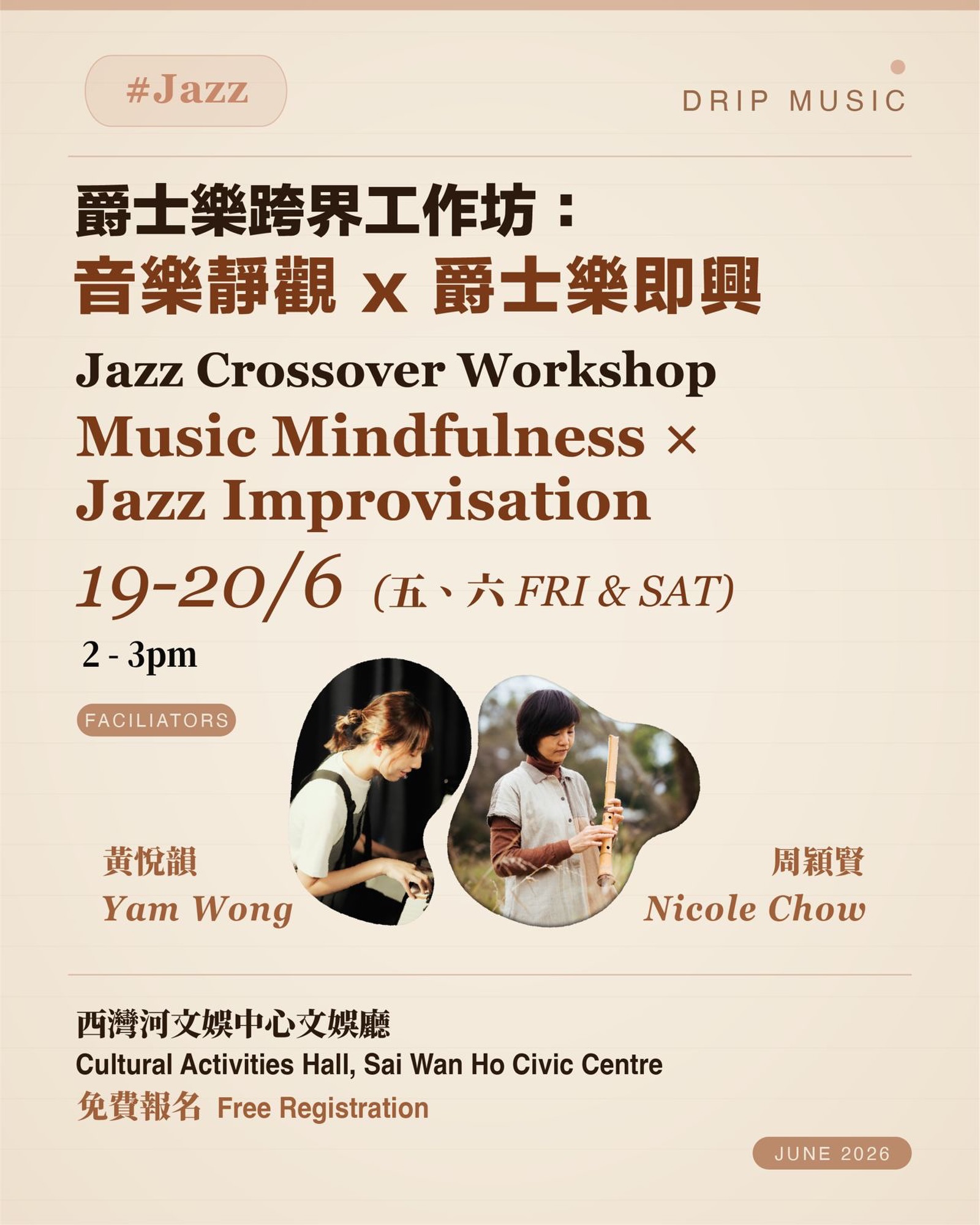
Jazz Crossover Workshop: Music Mindfulness × Jazz Improvisation
Photo: Shadowmaker
Participatory arts, embodied musical exploration and public dialogue | June 2026
In collaboration with Drip Music and pianist Yam Wong (黃悅韻), I participated in a programme exploring connections between jazz improvisation, present-moment awareness and music therapy at Sai Wan Ho Civic Centre.
The programme brought together two different experiences: a participatory workshop inviting people to encounter music through their senses and creative responses, and a public conversation introducing music therapy and its wider professional context.
Jazz Crossover Workshop: Music Mindfulness × Jazz Improvisation
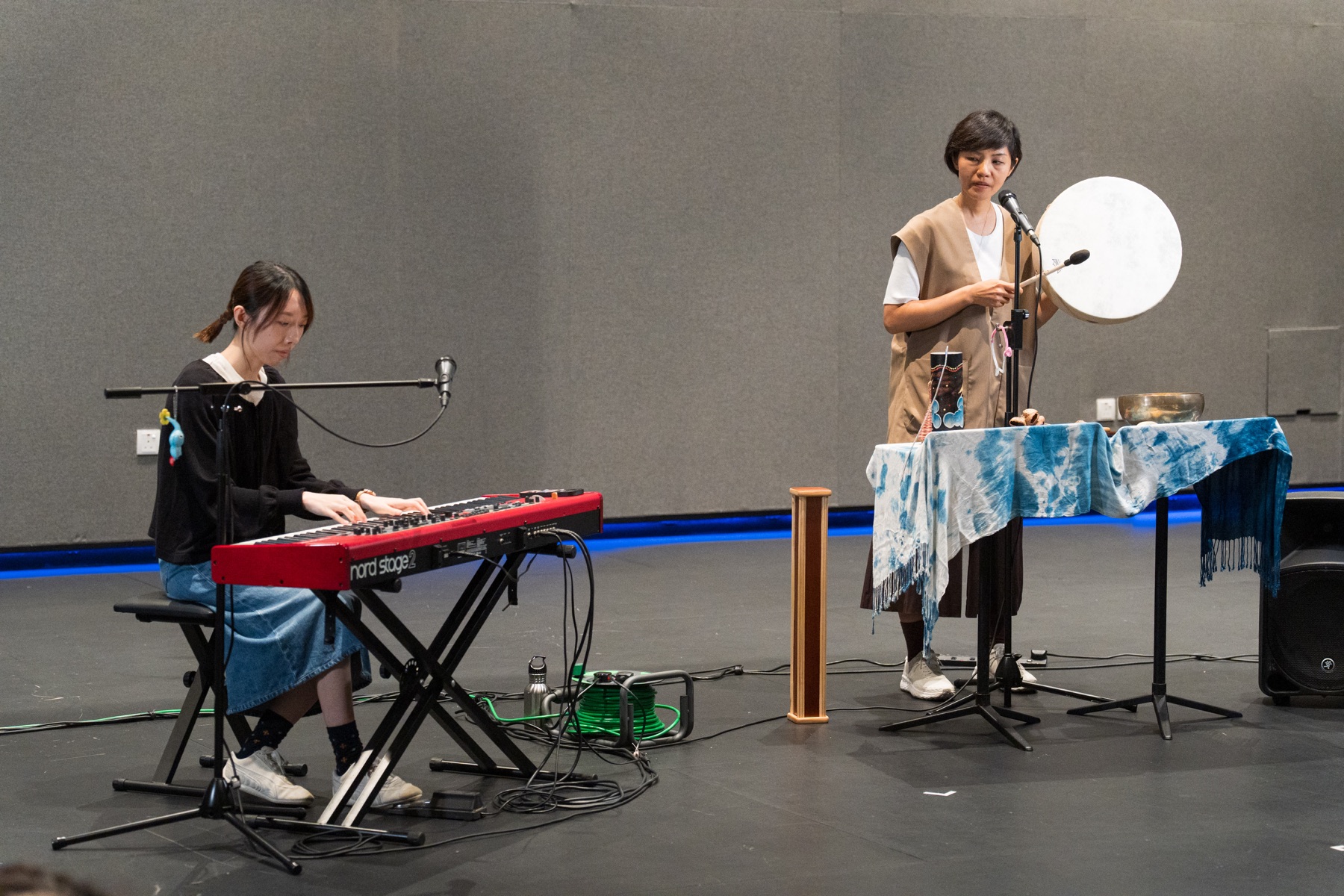
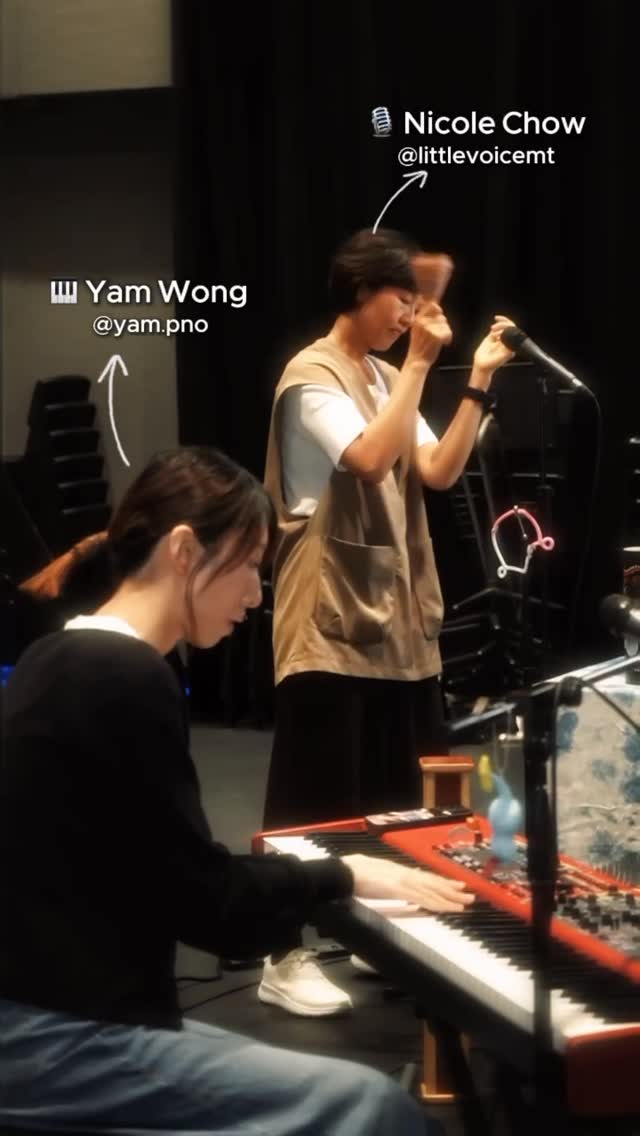
On 19 and 20 June 2026, Yam and I co-facilitated workshops combining live piano improvisation with breath, voice, movement and drawing.
Rather than beginning with musical technique, we invited participants to explore how music might be experienced through the body.
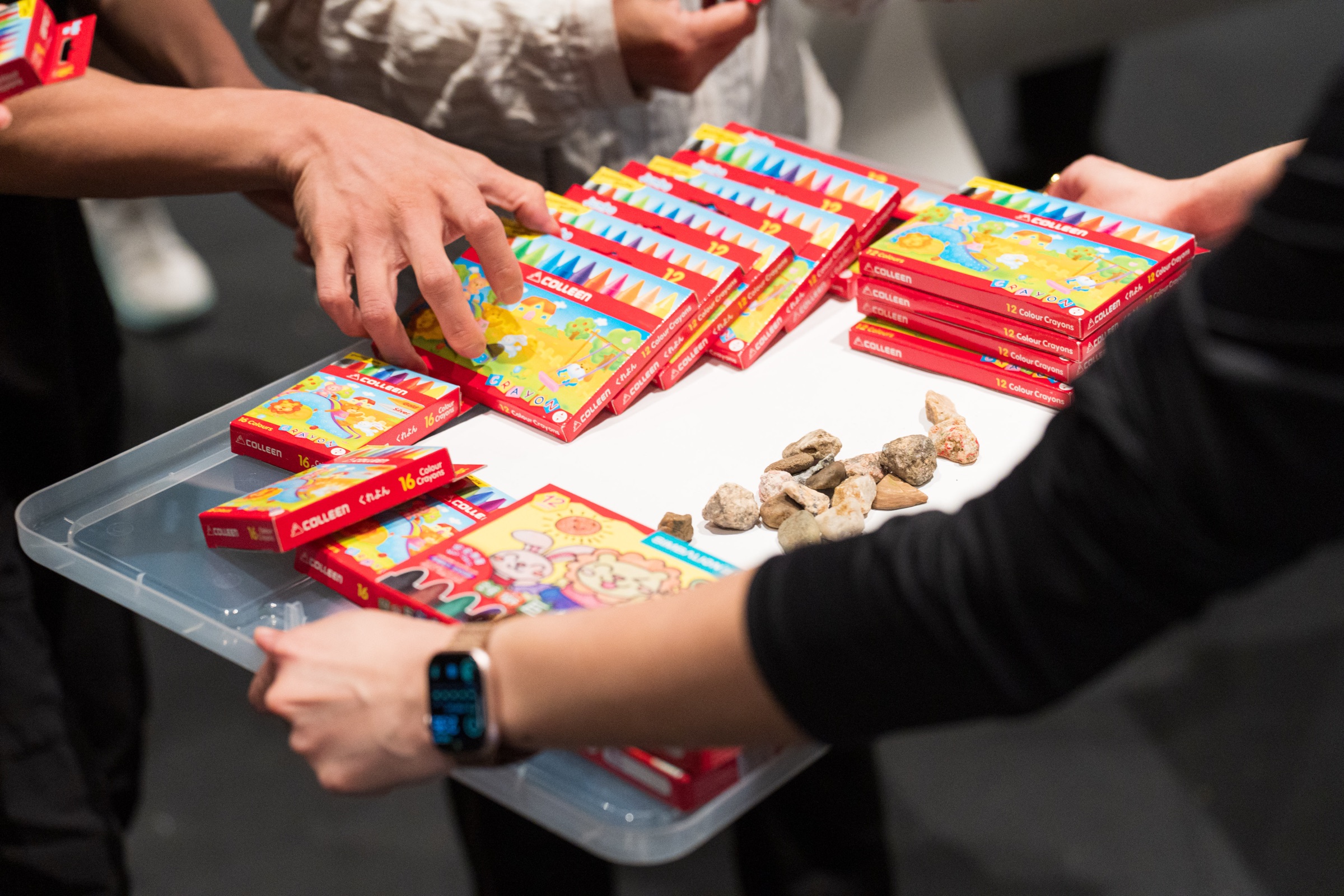
Through movement in space, participants experimented with geometric shapes, directions and changing patterns of movement, exploring how rhythm and musical time could be felt rather than only counted or explained.
We also brought together drawing and live improvisation, exploring how musical gestures might find expression through colour, line and movement, and how visual responses might in turn become starting points for further musical interaction.
The workshop moved between listening and responding, individual exploration and shared creation. Its emphasis was not on producing a polished musical performance, but on making room for curiosity, spontaneity and different ways of participating.
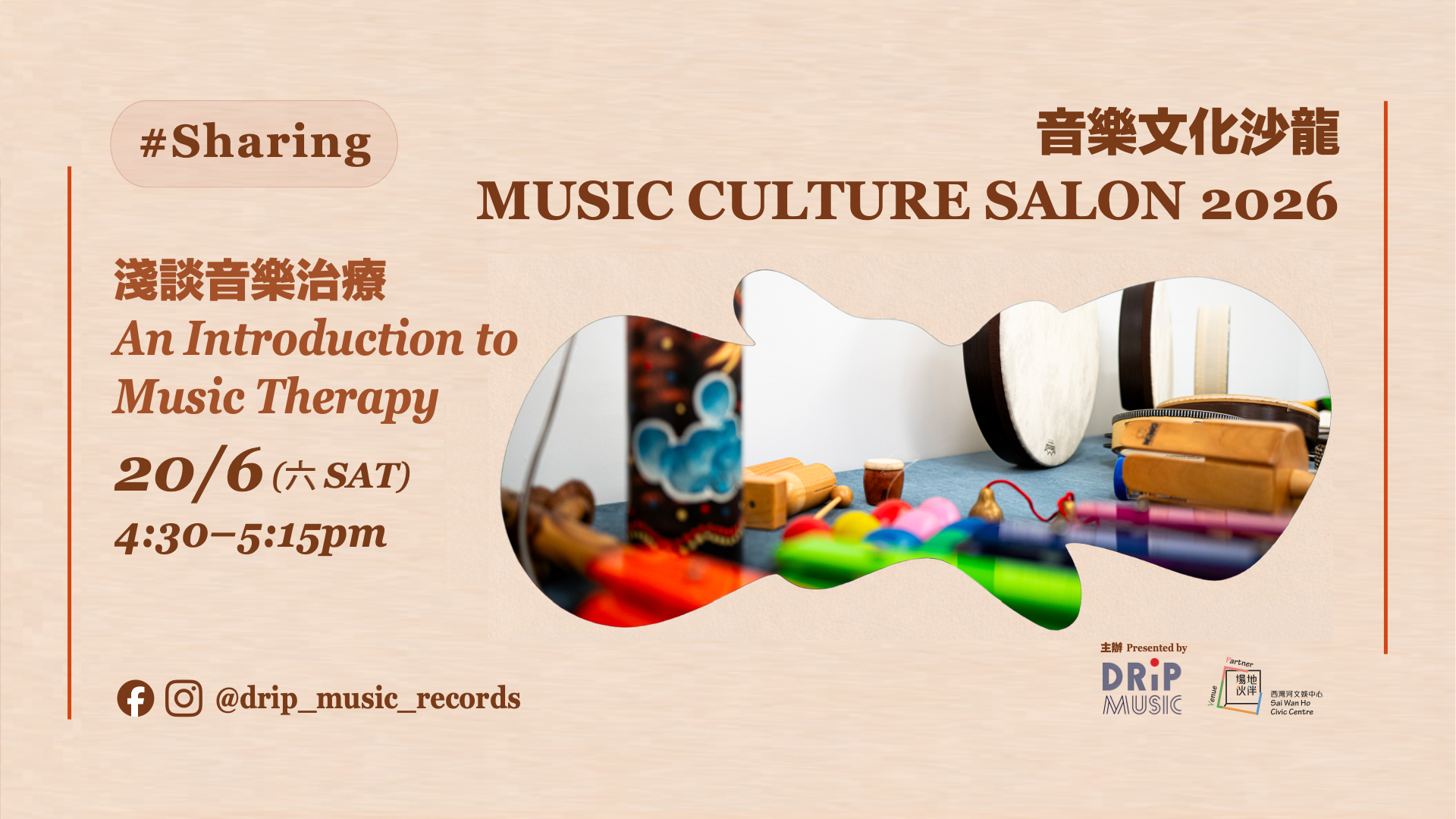
Music Culture Salon: An Introduction to Music Therapy
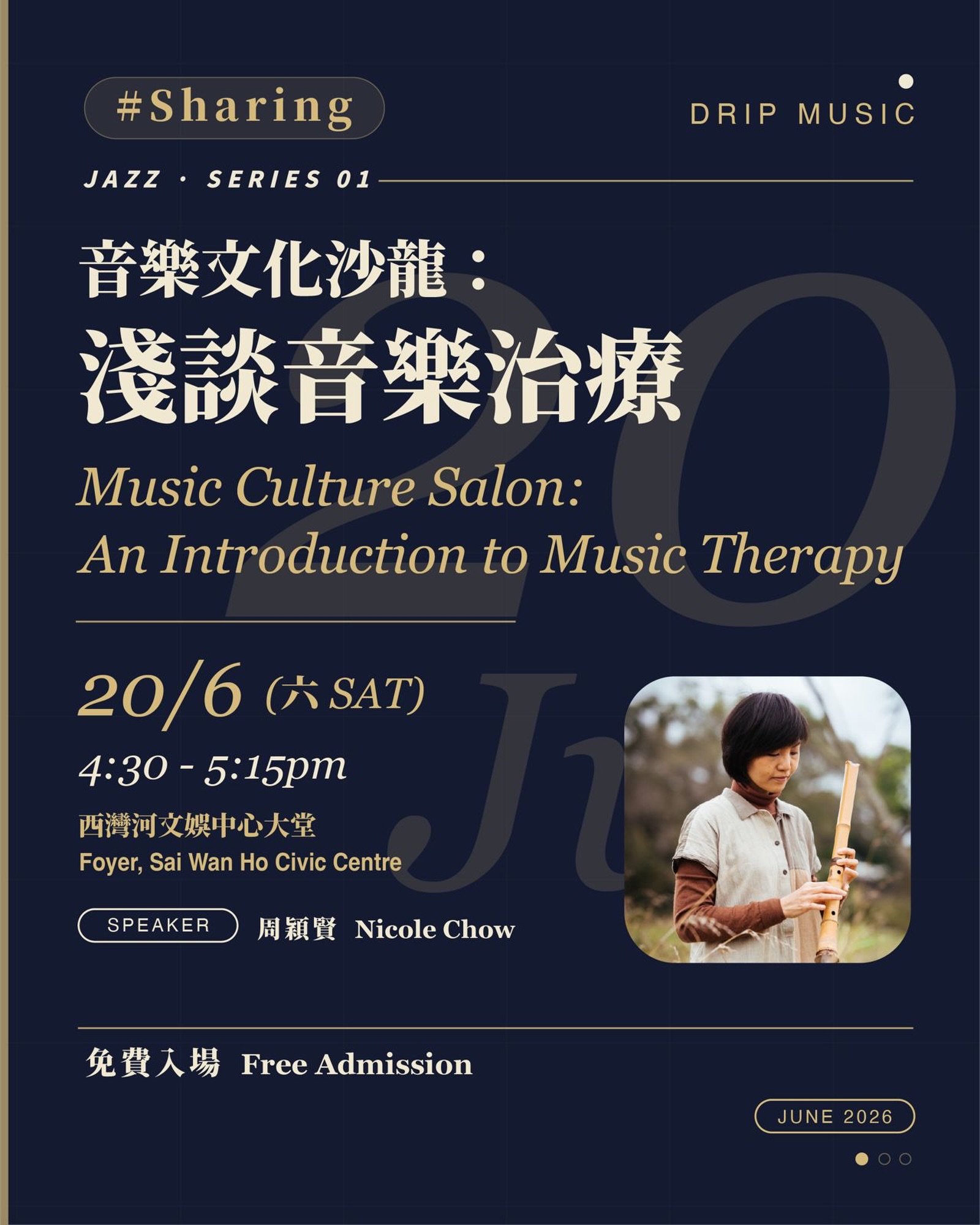
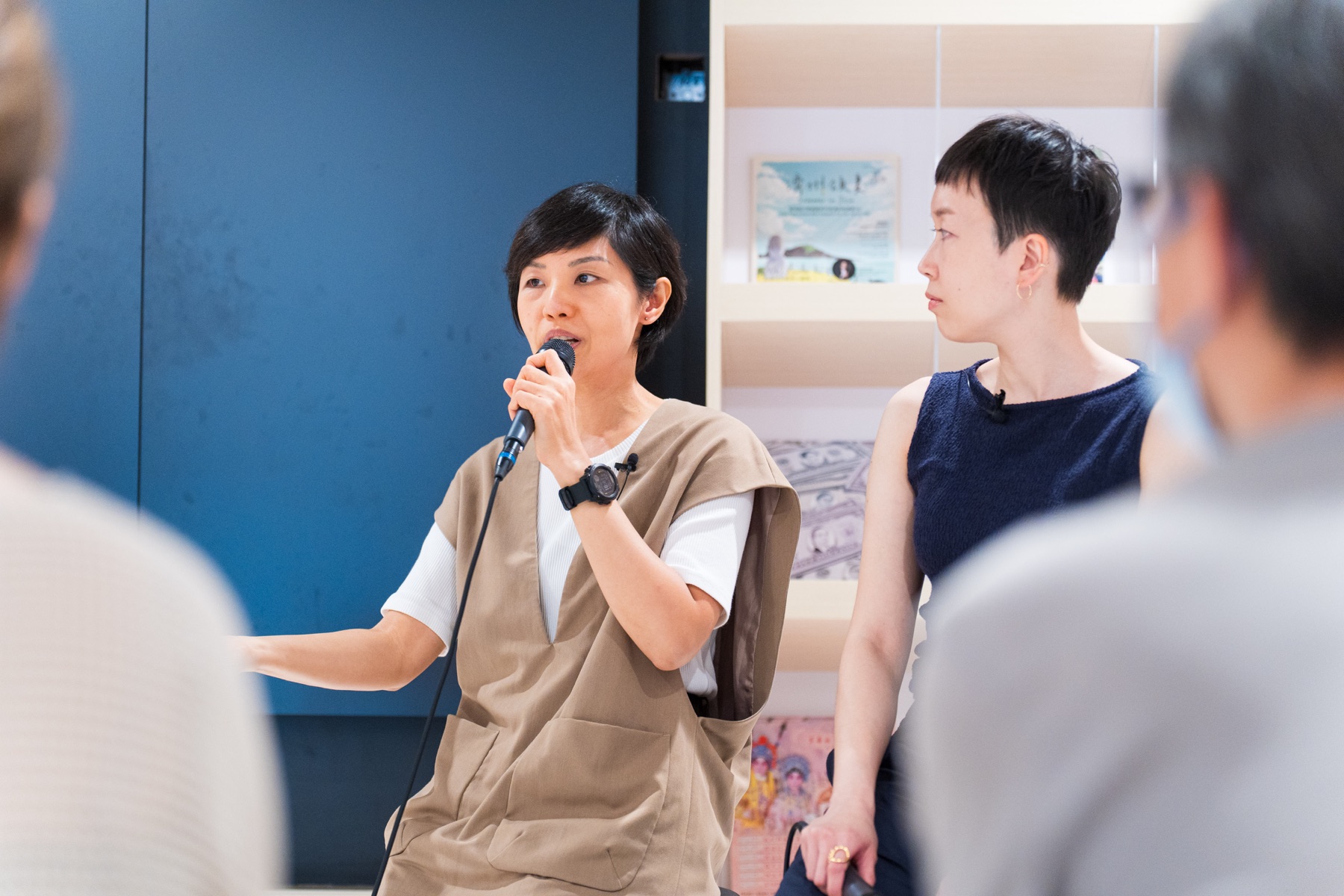
On 20 June, I also participated as a speaker in a live Music Culture Salon at the civic centre.
The conversation introduced music therapy as a professional practice, drawing on my experiences of training and working as a music therapist.
We discussed what distinguishes clinical music therapy from everyday musical experiences, the importance of therapeutic relationships and professional judgement, and the different settings in which music therapists work.
The discussion also returned to jazz improvisation: how attentive listening, responsiveness, uncertainty and musical interaction can illuminate aspects of therapeutic practice, while recognising that jazz improvisation and clinical music therapy are not interchangeable.
Reflection
What connected these two activities was an interest in how people listen and respond.
In the workshop, we explored these questions through movement, sound and creative participation. In the salon, we approached them through conversation, professional experience and reflection.
Improvisation requires both a sense of structure and a willingness to encounter something unexpected. It invites us to notice what is happening, respond to others and participate without needing to determine everything in advance.
This collaboration offered another opportunity to explore those qualities across artistic practice and public education, while remaining attentive to the distinctions between them.
With special thanks to Drip Music, Yam Wong, fellow collaborators and participants.
Related conversation: 淺談音樂治療|An Introduction to Music Therapy (separately released in November 2026).